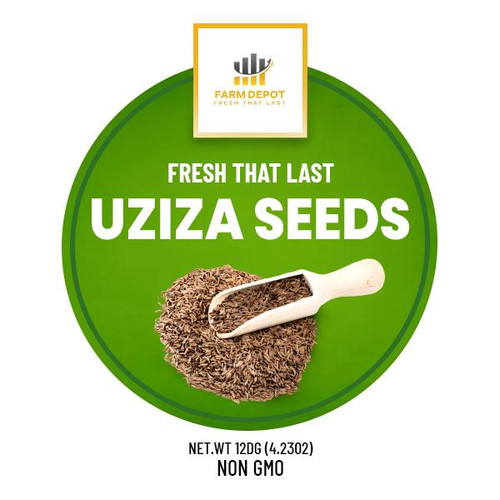
DRY UZIZA LEAVES (Piper guineense - West African Black Pepper)
Premium Dry Uziza Leaves are made from Piper guineense , also known as West African Black Pepper, Ashanti Pepper, or False Cubeb Pepper—a perennial climbing vine of the Piperaceae family indigenous to West Africa. Our Uziza leaves are carefully harvested, cleaned, and gently dried to preserve their volatile aromatic compounds and nutritional value.
The leaves are traditionally used in Ofe Nsala (White Soup), Pepper Soup, Afang Soup, Ogbono Soup and various stews where they add a unique "peppery but not quite pepper" flavor that cannot be replicated with standard black pepper. They are typically added in the final stages of cooking to preserve their aromatic qualities. Uziza leaves are characterized by their pale green color, heart-shaped form, and intense spicy fragrance derived from essential oils including piperine (the same compound that gives black pepper its pungency), beta-caryophyllene, and myristicin.
Beyond culinary use, Uziza leaves are valued in traditional medicine for treating respiratory issues, digestive problems, menstrual discomfort, and as a general health tonic.
Nutritional Components (Per 100g dry leaves - based on fresh composition)
Energy: ~250-300 kcal
(Concentrated by drying)
Carbohydrates: 45%
(Energy source)
Protein: 25%
(Good for a spice leaf)
Fats: 10%
(Essential oils)
Dietary Fiber: 20%
(Digestive health)
Vitamin A: 15% of (micronutrients
Vision/immune)
Vitamin C: 30% of micronutrients
(Highest vitamin content)
Vitamin E: 10% of micronutrients
(Antioxidant)
Calcium: 12% of micronutrients
(Bone health)
Potassium: 20% of micronutrients
(Highest mineral content)
Magnesium: 8% of micronutrients
(Muscle/nerve function)
Iron: 5% of micronutrients
(Blood health)
Essential Oils
Piperine: High
(Pungency, bioavailability
Beta-caryophyllene: Significant
(Anti-inflammatory)
Myristicin: Present
(Aromatic, therapeutic)
Key Benefits: Enhances nutrient absorption—piperine increases bioavailability of other nutrients by up to 2000%. Rich in vitamin C (30% of micronutrient profile) for immune support. Anti-inflammatory properties from beta-caryophyllene help reduce swelling and pain. Digestive health benefits—stimulates enzyme secretion, reduces bloating and constipation. Respiratory support—expectorant properties help clear congestion. Antioxidant protection from flavonoids and phenolic compounds. May support cardiovascular health by improving lipid metabolism. Aids menstrual comfort—traditionally used to reduce menstrual pain. Antimicrobial properties help preserve food and fight infections.
Storage Instructions
Store in airtight, opaque containers in a cool, dry, dark place
Shelf life: 6-12 months when properly stored
Temperature: Room temperature (15-25°C); avoid heat which volatilizes essential oils
Critical: Protect from air exposure—essential oils (piperine, myristicin) are volatile and degrade with air contact
Light protection: Essential—light degrades aromatic compounds and vitamins
Humidity: Keep very dry—moisture causes mold and clumping
Packaging: Resealable bags or small airtight containers; vacuum sealing ideal for long-term storage
Signs of spoilage: Loss of characteristic peppery aroma, musty smell, visible mold, or color change from green to brown
Usage: Crush or crumble before adding to dishes; add in final 5-10 minutes of cooking to preserve volatile oils; can be used whole or ground
Special note: The pungency is concentrated in dried form—use approximately half the amount compared to fresh leaves