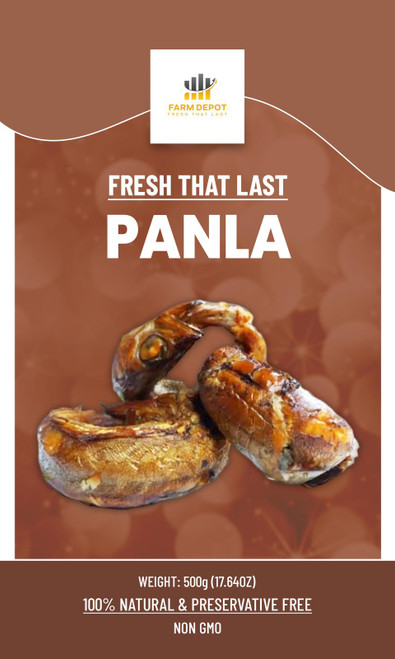
DRIED AJAH FISH (Dried Small Fish)
Our Premium Dry Ajah Fish is a category of small, sun-dried or smoked marine fish that are essential to Nigerian coastal cuisine and nutrition. These small fish (typically sardines, anchovies, or similar species) are caught in abundant quantities, quickly processed, and dried whole to preserve their exceptional nutritional density. The drying process concentrates essential nutrients into compact, shelf-stable portions. Even small portions (9g for children, 41g for adults) contribute over 15% of recommended nutrient intakes for multiple essential nutrients. Our Ajah fish are carefully cleaned, salted, and sun-dried or smoked using traditional methods that maximize nutrient retention while ensuring food safety.
The fish are typically consumed whole (including bones), providing exceptional calcium content from the edible bones. They are used in traditional Nigerian soups, stews, and sauces, or powdered and added to infant foods for nutritional fortification.
Nutritional Components (Per 100g dry Ajah fish - typical values for small dried fish) / % Contribution to Daily Needs
Energy: 300-350 kcal
(15-18%)
Protein: 60-80g
(120-160%)
Fat: 5-15g
(7-20%)
Carbohydrates: 0-5g
(N/A)
Moisture: 8-15%
(N/A)
Ash: 10-20g
(Mineral-rich)
Calcium: 500-2000mg
(50-200%)
Iron: 5-20mg
(30-110%)
Zinc: 5-15mg
(45-135%)
Iodine: 100-500µg
(65-330%)
Selenium: 50-100µg
(90-180%)
Vitamin B12: 10-50µg
(400-2000%)
Vitamin D: 10-25µg
(50-125%)
Omega-3 (EPA+DHA):
1-5g
(60-300%)
Phosphorus: 800-1500mg
(65-120%)
Potassium:
800-1200mg
(20-30%)
Magnesium: 100-200mg
(25-50%)
Key Benefits: Exceptional protein concentration—60-80% protein by weight, providing 80% protein with only 300 calories per 100g. Rich in calcium from edible bones—critical for bone health, especially for children and pregnant women. High in iron, zinc, and iodine—essential minerals often deficient in Nigerian diets. Excellent source of vitamin B12 and vitamin D—nutrients crucial for brain development and immune function. Rich in omega-3 fatty acids (EPA and DHA) essential for cardiovascular health and cognitive development. Whole fish consumption provides complete nutrition including organs and bones. Affordable protein source accessible to low-income households.
Storage Instructions
Store in airtight containers or sealed bags in a cool, dry place away from direct sunlight
Shelf life: 6-12 months at room temperature; up to 2 years if properly dried and stored
Temperature: Store below 25°C; cooler temperatures extend shelf life
Moisture critical: Must remain below 15% moisture to prevent mold and insect infestation
Light protection: Essential—light degrades vitamins and causes oxidation of fats
Air exposure: Minimize—oxygen causes rancidity; vacuum sealing recommended for long-term storage
Pest protection: Protect from insects and rodents—dried fish are attractive to pests
Packaging: Polyethylene bags, airtight plastic containers, or vacuum-sealed packaging
Signs of spoilage: Rancid smell, visible mold, insect infestation, or softening (should be hard and dry)
Quality check: Should have characteristic fish aroma without off-odors; bones should be brittle and edible